
Belonging begins with place
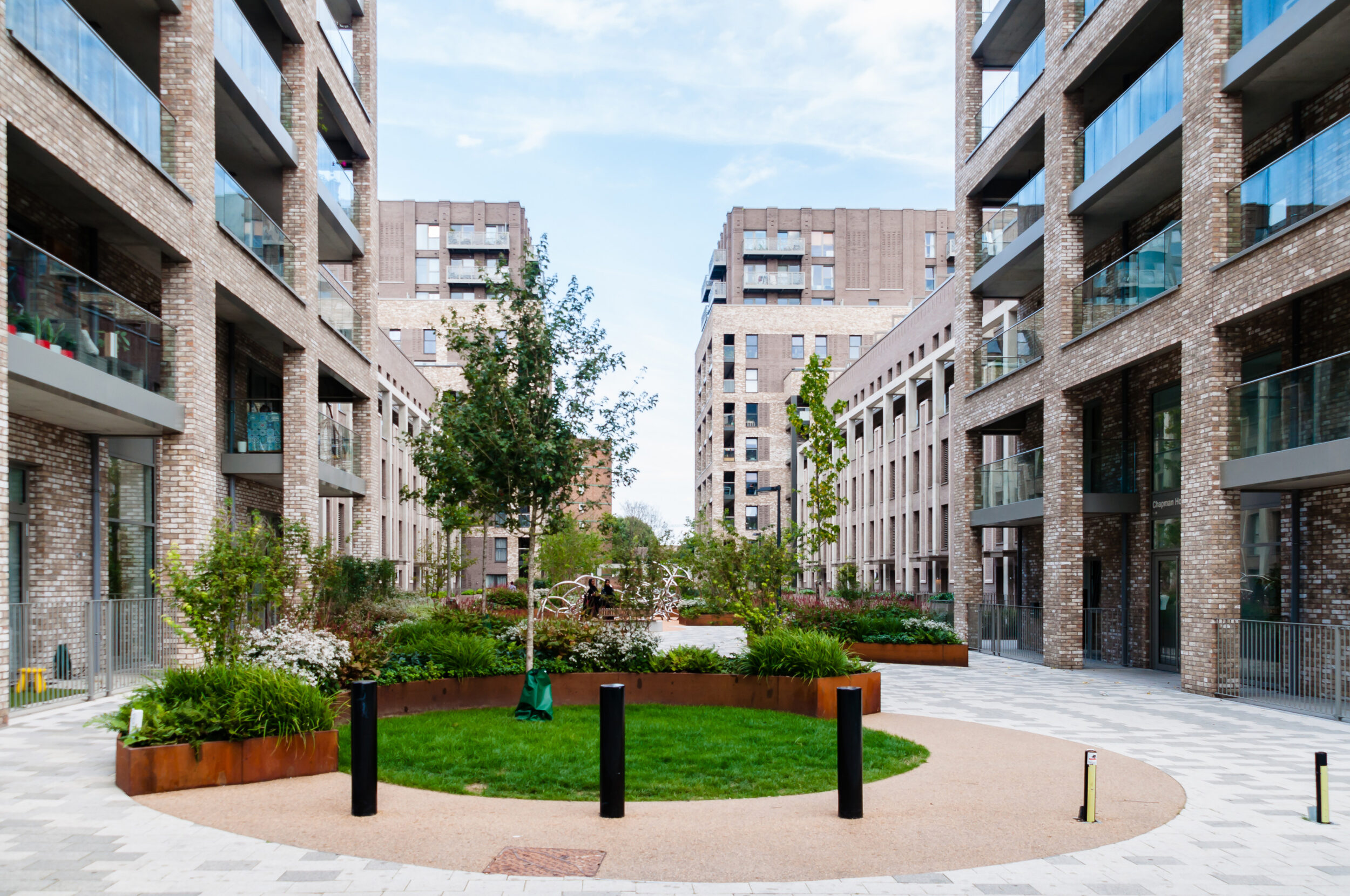
There is a particular kind of pride that comes from belonging somewhere. It is not always easy to articulate, but people feel it when they walk through a neighbourhood that works – where the streets are active, public spaces feel purposeful and there is a quiet sense that the place has been shaped with people in mind.
That feeling does not happen by accident. Increasingly, it is the result of deliberate placemaking – an approach that recognises that strong communities are built not only through buildings and infrastructure, but through the everyday experiences that make people feel connected to where they live and work.
Placemaking is more than design
Placemaking is often associated with urban design but its value goes much further. At its best, it is a collaborative process involving communities, developers, local authorities and planners working together to shape both the physical and social environments in which people live and work.
It asks not only what a place looks like, but what it should do: how it should support residents, enable local businesses, encourage interaction, improve access and include people who might otherwise feel overlooked or excluded.
Creating shared ownership
The relationship between well designed places and community identity is well established. When public spaces reflect local history, accommodate local culture, and are genuinely accessible, they reinforce a sense of shared ownership.
A market square that attracts footfall from across a town does more than generate economic activity; it becomes a point of civic reference. A community garden, a reimagined high street, or a park designed with residents rather than simply for them – each of these sends a signal that the people who live there matter.
This sense of ownership matters because it helps turn spaces into places that feel genuinely rooted in community life – places where people come together, take part and see themselves reflected in the area around them.
Protecting identity through regeneration
This is particularly significant in areas undergoing regeneration. Physical renewal can bring much needed investment, better infrastructure and improved public spaces. It can also create anxiety if communities feel change is being done to them rather than with them.
Placemaking offers a counterweight to that risk. When long standing residents are involved in shaping change, the result tends to be places retain their identity through transformation rather than losing it to it.
Connecting place with opportunity
Employment and economic opportunity are also part of this picture. Places that generate local jobs, support businesses rooted in the community and create accessible pathways into work give people more reasons to stay invested in their neighbourhood.
This is where social value becomes inseparable from physical development. It is not an additional outcome to be considered after the plans are drawn up. It should run through the decisions that determine how a place functions, who benefits and how communities can share in its long term success.
Places that feel part of the community
The strongest places are those where people feel recognised and included. Done well, placemaking helps make a sense of belonging tangible – through the way a street is laid out, how a public space is designed, the services provided, or simply by asking local people what they need before decisions are made.
Ultimately, community identity is strengthened when places reflect the people who use them. Placemaking helps ensure development goes beyond creating new spaces, delivering places that respond to local needs, respect local context and remain valued over time.