
Transport as a test of fairness
A new transport line can change a map. But can it change who gets access to opportunity?
London has always been shaped by its transport lines. They do more than move people. They decide which places feel close, which communities feel connected and which neighbourhoods are given the confidence to grow.
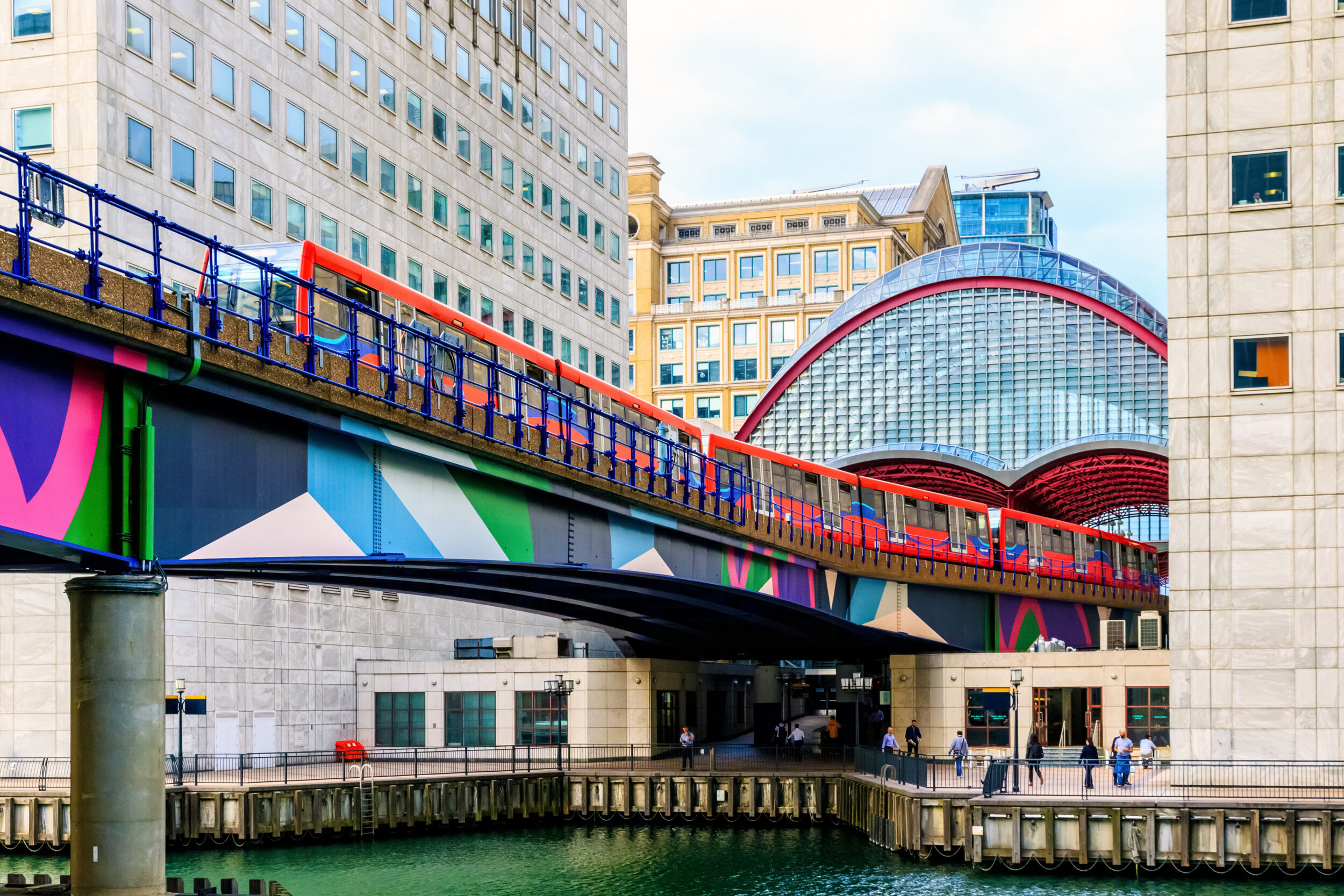
That is why the proposed DLR extension to Beckton Riverside and Thamesmead matters. It is not just a transport project. It is a test of how major infrastructure can help build fairer places.
For decades, Thamesmead has carried the contradiction of being part of London but not always feeling fully connected to London. The absence of a direct rail link has affected access to jobs, education, services, culture and opportunity. A new DLR station, alongside wider bus transit improvements, could change that geography of access.
Connectivity is on the starting point
But connectivity alone is not social value.
A new station does not automatically create fairness. New homes do not automatically create belonging. New jobs do not automatically reach the people who need them most.
The real social value opportunity lies in how the extension is planned, procured, built and embedded into the life of the place around it.
The questions that decide who benefits
If the DLR Thamesmead Extension is to create lasting social value, the key questions need to be asked early.
- Who will benefit from the jobs created?
- How will local residents access training, apprenticeships and sustained employment?
- How will SMEs and VCSEs in Greenwich, Newham, Bexley and the wider Thames Gateway be supported to enter the supply chain?
- How will construction disruption be managed with communities, rather than simply communicated to them?
- How will young people see themselves in the future being built around them?
These are not add ons. They are the questions that determine whether infrastructure investment translates into local opportunity.
Designing legacy into delivery
The DLR Thamesmead Extension could become a model for place-based social value if it treats communities not as stakeholders to be consulted, but as partners in delivery.
That means creating clear pathways from schools and colleges into transport, engineering, digital, sustainability and construction careers. It means mapping local enterprise capability before procurement begins. It means designing community benefits around local priorities, not generic outputs.
It also means ensuring meanwhile spaces, public realm, community assets and cultural infrastructure are not afterthoughts, but part of the project’s legacy.
Growth must build trust
Regeneration can bring investment, but it can also bring anxiety.
Longstanding communities need to feel that change is happening with them, not around them or despite them. Social value must therefore focus not only on economic growth, but on trust, affordability, identity and community confidence.
Without that trust, investment may change the physical fabric of a place without strengthening the social fabric that already exists.
Turning ambition into impact
At CloudNine, we believe the best social value strategies connect ambition to delivery. They turn large promises into practical programmes, measurable outcomes and local partnerships that last beyond construction.
The DLR Thamesmead Extension has the potential to open up one of London’s most significant growth areas. The challenge is to make sure it opens opportunity too.
If major infrastructure is going to shape the next chapter of Thamesmead, then social value must help decide what kind of chapter it becomes.
If you are planning, bidding for or delivering major infrastructure and want to build a stronger, more practical social value approach, get in touch with CloudNine at [email protected].